What Is Tribeca Like to Live In?
Living in Tribeca day to day: loft buildings and what they mean for daily life, landmark rules, transit, zoned schools, open space, and costs to plan for.
By Tracie Golding, Licensed Associate Real Estate Broker at Compass
What Is Tribeca Like to Live In?
Tribeca is a quiet, low-rise, walkable neighborhood of converted warehouse buildings, where daily life is shaped as much by the building you choose as by the neighborhood itself. Most homes are lofts inside former commercial buildings, so ceiling height, light and layout vary widely from one address to the next. Much of the neighborhood sits inside several historic districts, which keeps the streetscape consistent and puts exterior changes under Landmarks Preservation Commission review. Transit is dense, with subway lines on every side, PATH and ferry service nearby, and the Hudson River Park along the western edge. What it is like to live here comes down to a few practical questions: what kind of building, how much renovation you plan, and what the monthly costs look like. Tracie Golding, a broker with Compass in Manhattan and Brooklyn since 1995, lives in Tribeca, and knows the neighborhood as a resident as well as a broker.
What is daily life like in a Tribeca loft building?
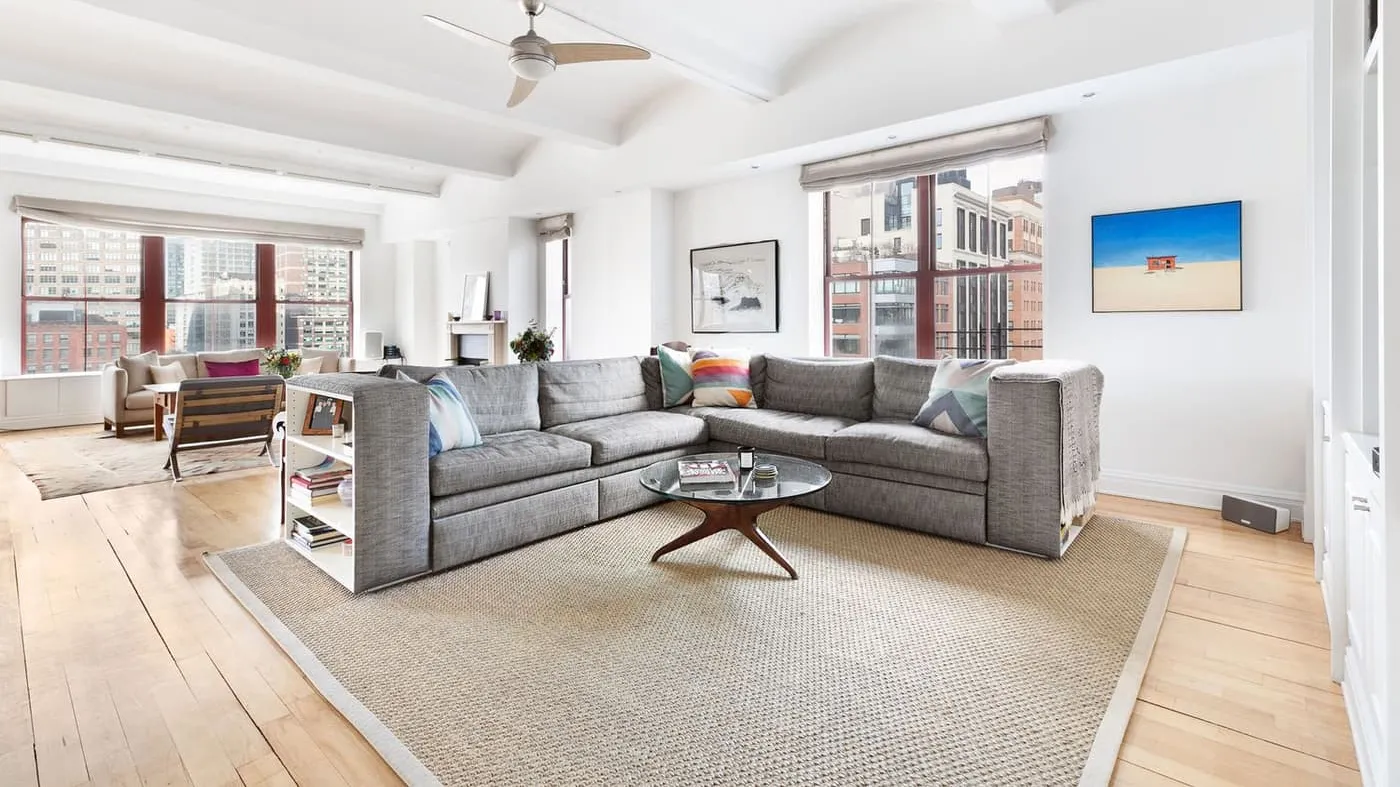
Living in a converted warehouse is different from living in a building designed for apartments, and the differences show up in ordinary routines.
- Layout. Many lofts are open plan, with columns where the original structure put them. Furniture plans, and sometimes room divisions, work around those columns.
- Light. Ceilings are often high and windows large, but how much daylight reaches the back of a deep loft depends on its exposure and how close the neighboring buildings sit. Visit at different times of day.
- Elevators. Some buildings have elevators that open directly into the apartment. Others have smaller or older elevators, and a few walk-ups remain. Ask how deliveries and moves work in practice.
- Staff. Some buildings have a doorman and a resident super; many smaller loft buildings have neither. Packages, deliveries and repairs work very differently in each.
- Mixed use. Ground floors often hold shops, restaurants or offices. That brings activity to the street and sometimes noise or deliveries at odd hours, so ask what operates below the apartment.
Each block also has a different feel, and walking the neighborhood at different hours is the most reliable way to learn which ones suit you.
How do the landmark rules affect living here?
Because so much of Tribeca sits inside historic districts, exterior work on many buildings, including windows, storefronts, rooftop additions and some railings, needs Landmarks Preservation Commission approval before the Department of Buildings issues permits. Interior renovations in apartments are generally outside LPC's reach unless they change something visible from the street, but they still go through the building's own alteration agreement and, for larger work, Department of Buildings permits.
In practice, that means renovation timelines can run longer, and the building's own rules matter as much as the city's. If you plan to replace windows or add to a roof, raise it early and have your architect and attorney confirm what approvals apply.
How do you get around, and what schools are zoned?
Tribeca is one of the easiest Manhattan neighborhoods to leave and return to. Walk Score rates it 98.
- 1 at Franklin Street and at Canal Street
- 1, 2, 3 at Chambers Street
- A, C, J, Z at Chambers Street and Centre Street
- A, C, E and N, Q, R, W, 6 at Canal Street
- E and PATH at the World Trade Center / Fulton Center Complex, which also serves the 2, 3, 4, 5, A, C, J, R and Z
- NYC Ferry at Pier 11 and Battery Park City
The zoned District 2 public elementary schools for Tribeca are PS 234 Independence School (292 Greenwich Street, K to 5) and PS 397 Spruce Street School (12 Spruce Street, K to 8). PS 150 Tribeca Learning Center can be applied to by District 2 residents; it is not zoned, and it moved to a new building on Greenwich Street in 2022. School zones are set by the city and can change, so confirm the zone for a specific address before you rely on it.
For open space, the Hudson River Park runs along the western edge, with its piers and paths, and smaller parks and playgrounds sit within the neighborhood.
What should you plan for financially?
Tribeca prices vary widely from building to building, so the most useful planning is about structure and carrying costs rather than a neighborhood average.
| Condo | Co-op | |
|---|---|---|
| What you own | The apartment as real property, by deed | Shares in the corporation plus a proprietary lease |
| Approval | Purchase application; right of first refusal usually waived | Board package and interview |
| Monthly cost | Common charges plus separate real estate taxes | Maintenance, which usually includes the building's taxes |
| Renovation | Alteration agreement with the condo board | Alteration agreement with the co-op board |
Buyers also pay the mansion tax on purchases of $1 million or more in New York, and sellers usually pay the city and state transfer taxes. Older loft buildings can carry facade work and capital projects, so ask about reserves and any recent or planned assessments. Your attorney and accountant confirm the figures for a specific purchase.
Where Tracie fits
Tracie lives in Tribeca and has worked Manhattan and Brooklyn for over 30 years. She is detail-oriented on comparable sales and pricing, which matters in a neighborhood where two lofts in the same building can differ sharply. Her colleagues Peter and Stephanie help guide clients through every stage.
For the market report on the neighborhood, see the Tribeca neighborhood guide. Before an offer, use the Tribeca address-level due diligence checklist. The co-op vs condo decision guide and the NYC monthly costs guide cover the structure and budget questions in more depth.
Talk with Tracie · 917-837-1918 · tracie.golding@compass.com
Frequently Asked Questions
Is Tribeca quiet to live in?
Many of its blocks are quiet compared with much of Manhattan, especially the shorter side streets, but ground-floor restaurants, shops and deliveries bring activity to others. Noise depends on the specific building, which floor the apartment is on and what operates below it. Visiting in the evening and early morning tells you more than a midday showing.
What kind of buildings are in Tribeca?
Most residential buildings are converted 19th-century and early 20th-century warehouses and commercial buildings, many now condos or co-ops with loft-style apartments. There is also newer construction, mostly outside the historic districts, and a small number of townhouses. Building size, staff and amenities vary widely from one address to the next.
Do I need landmark approval to renovate in Tribeca?
For exterior changes on buildings in the historic districts, such as windows, storefronts or rooftop additions, generally yes: Landmarks Preservation Commission review comes before Department of Buildings permits. Interior work usually falls under the building's alteration agreement and city permits instead. Your architect and attorney confirm what applies to a specific building.
Which public elementary schools are zoned for Tribeca?
PS 234 Independence School at 292 Greenwich Street (K to 5) and PS 397 Spruce Street School at 12 Spruce Street (K to 8) are the zoned District 2 elementaries. PS 150 Tribeca Learning Center accepts applications from District 2 residents. Confirm the zone for a specific address with the city before relying on it.
How is Tribeca for commuting?
Tribeca has a Walk Score of 98 and subway stations on every side, with the 1, 2, 3, A, C, E, J, Z, N, Q, R, W and 6 nearby, plus PATH at the World Trade Center / Fulton Center Complex and NYC Ferry at Pier 11 and Battery Park City.
Let’s talk about your block, building, apartment
The right starting move is a conversation with the right broker.
The Right Broker Makes All The Difference